

What to See at Château de Chantilly
Château de Chantilly is more than a château: the estate brings together the château, the Musée Condé, gardens and grounds, and the Great Stables, which house the Museum of the Horse. That makes it worth planning as a visit to the wider Domaine de Chantilly rather than a quick stop at a single building.
Allow at least half a day, and consider a full day if you want to include the château, park and Great Stables. You can build your visit around the art collection, then spend time in the gardens and finish at the Great Stables—or reverse that order to suit your timed château entry.
If the horses are a particular interest, the Musée du Cheval guide has more on Chantilly’s horse museum. For another château in the area, see how to visit Château de la Reine Blanche.
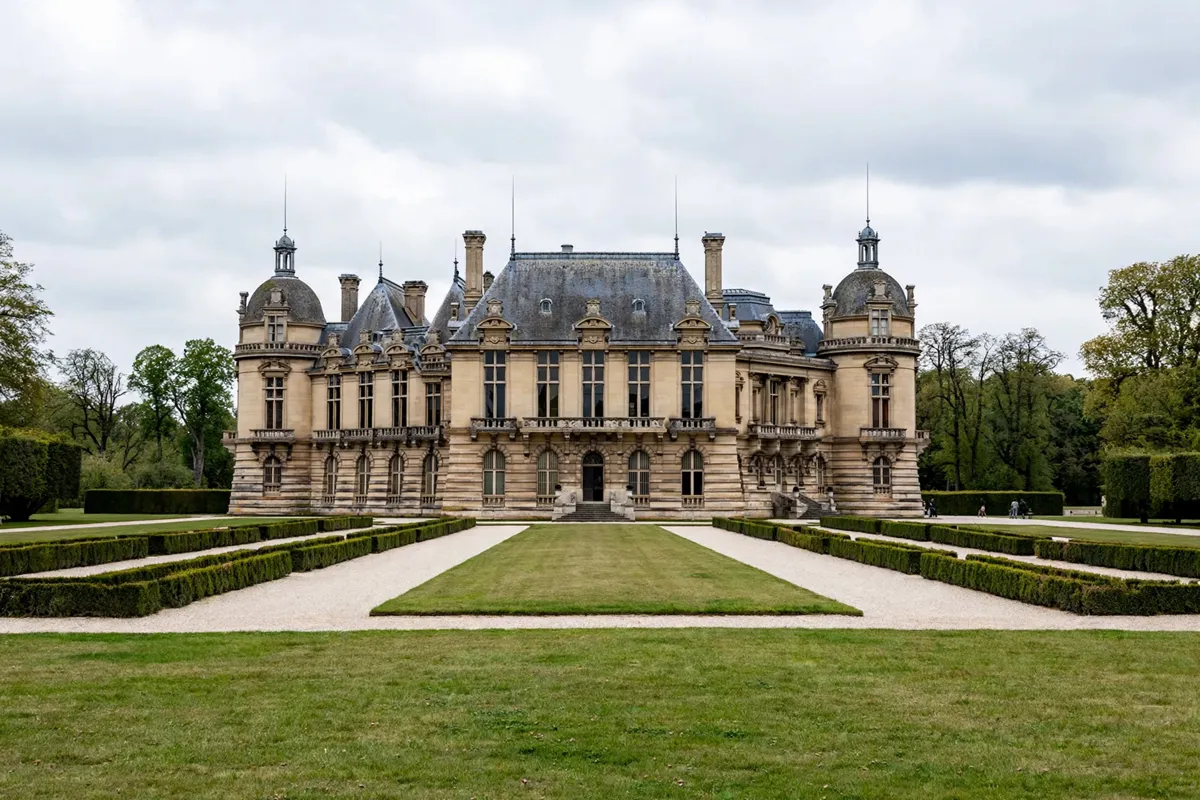
The Château, Musée Condé and Art Collections
Henri d’Orléans, Duke of Aumale, bequeathed Chantilly to the Institut de France in 1884. His conditions required the Musée Condé to open to the public, keep its display arrangement and never lend its collections. The museum opened on April 17, 1898.
The collection includes approximately 850 paintings. The estate describes it as the second-largest collection of Old Master paintings after the Musée du Louvre. Works include Raphael’s The Three Graces and The Madonna of Orleans; the manuscript collection includes The Très Riches Heures of the Duke of Berry.
The Great Stables are another major part of the visit. Louis-Henri, Prince of Bourbon-Condé, commissioned them, and architect Jean Aubert designed them for daily hunting activities. Today, the building houses the Museum of the Horse.
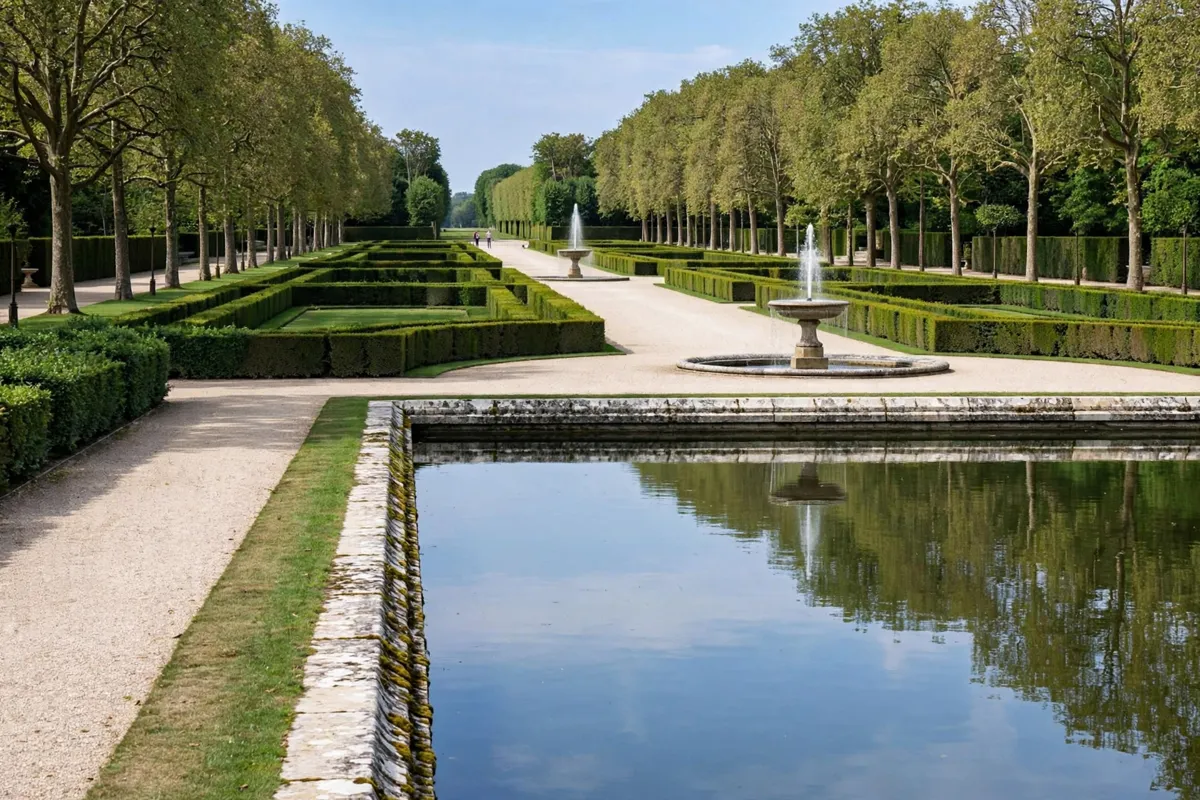
The Gardens and Wider Domaine
The estate has three gardens, each with a different design history. André Le Nôtre created the French garden in the second half of the 17th century for Louis II de Bourbon, known as the Grand Condé. Its Great Canal stretches 2.5 kilometers.
Jean-François Leroy designed the Anglo-Chinese garden in 1773. Its Hameau originally had seven cottages, five of which remain. Between the château and the Great Stables, the English garden was designed beginning in 1817 by architect Victor Dubois.
Choose a ticket that covers the areas you want to see, then leave room in your schedule to move between the château, gardens and Great Stables. The grounds have irregular pathways, so keep accessibility in mind when planning how much of the estate to cover.
Tickets and Visit Options
- Ticket
- covers the château, grounds and gardens, and Great Stables, but excludes the Cab
Château de Chantilly tickets include options for different kinds of visits:
- One-day ticket: covers the château, grounds and gardens, and Great Stables, but excludes the Cabinet des Livres. It includes equestrian activities subject to the program, as well as château and Jeu de Paume exhibitions. A timed entry slot is mandatory for the château.
- Grounds ticket: covers the estate’s three gardens—the French formal garden, the Anglo-Chinese garden and the English garden.
- Two-day ticket: covers the château, grounds and Great Stables, including equestrian demonstrations and temporary exhibitions in the château.
Tickets are sold online and on site. Online booking is the only way the estate guarantees château access during high-season weekends, public holidays and school holidays. The château requires a valid timed ticket for entry, so check the conditions for your chosen ticket before setting out.
Opening Hours and Seasonal Checks
During high season, the château and Great Stables are listed as open 10:00–18:00, while the park is listed as open 10:00–20:00. The estate also has an annual closure from January 4 through January 22, inclusive. Hours and access can depend on your visit date, so check the official site before you go.
Getting There from the Hotel
Château de Chantilly is about a 5-minute drive from Hôtel Le Chantilly. You can also walk there in about 23 minutes.
If you’re arriving by train, the journey from Paris Gare du Nord to Chantilly-Gouvieux takes 25 minutes by SNCF or 45 minutes on RER D. From the station, the château is about 25 minutes on foot, 5 minutes by taxi or 10 minutes by bus.
Free buses and shuttles depart from platform A1 at Chantilly-Gouvieux station, including the DUC and bus 645 toward Senlis. The tourist shuttle operates on weekends and French public holidays. If you’re using a shuttle, check its operating pattern as part of your travel planning.
Parking and Accessibility
Paid parking is available at P1 near the château: cars and minibuses for up to 9 people cost €5, and motorhomes cost €5. A large coach car park is free.
Accessible parking spaces are reserved in P1 near the château and P2 near the Great Stables, and drop-off is permitted near both entrances. Parking is free when you present an official disability document.
Wheelchair access inside the château is available to the Reading Room and Large Suites via the Cour d’Honneur, and to the shop and Graphic Arts Gallery via the Capitainerie courtyard.
Access is limited or impossible in some other château areas. The grounds’ irregular pathways can be difficult to navigate; adapted golf carts are available to rent for visiting the grounds.
The Great Stables are a single-storey building with uneven paved flooring, and the Museum of the Horse is accessible to visitors with disabilities. The estate has two wheelchairs available to borrow for the château interior and one for the Great Stables and Museum of the Horse. Loans cannot be reserved and depend on availability on the day.
Pets are not allowed on the estate.