

What Is Musée du Cheval?
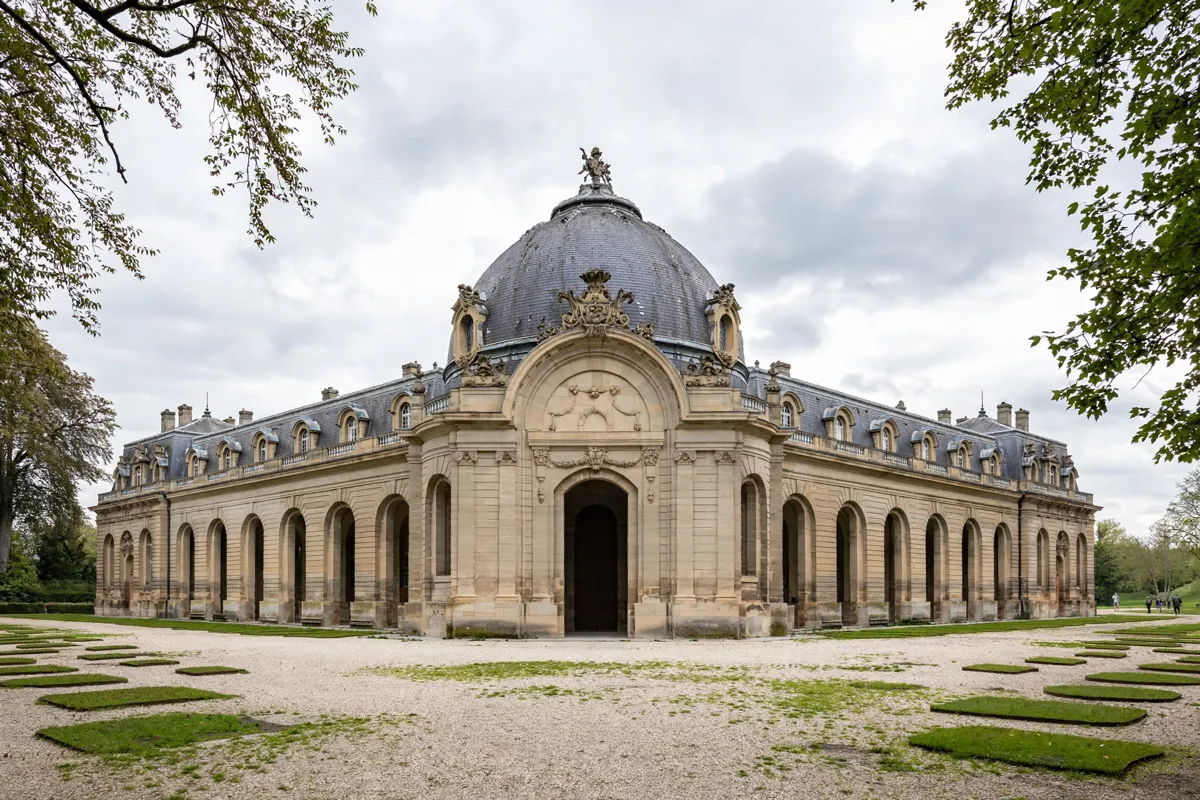
Musée du Cheval, also known as the Living Museum of the Horse, occupies the Grandes Écuries—the Great Stables—at the Château de Chantilly. The stables were built by architect Jean Aubert for Louis-Henri de Bourbon, 7th Prince of Condé, between 1719 and 1735. Yves Bienaimé created the Living Museum of the Horse in 1982.
The setting is part of the story: the museum brings together the history of a working stable environment and a collection that looks at the relationship between people and horses across civilizations. Its displays combine art collections with ethnological material, so you’ll encounter both objects made for horses and evidence of the roles horses have played in human life.
The museum is about a 2-minute drive from Hôtel Le Chantilly, making it a straightforward Chantilly outing to plan from your stay.
What to See in the Museum
The collection has been displayed in 15 rooms in the Great Stables’ Cour des Remises since 2013. The range spans centuries: Chinese ceremonial horses date to the 6th century, while the collection’s carousel horses date to 1930.
Look out for eight harnesses commissioned by the last Prince of Condé for the coronation of King Charles X at Reims in 1825. Room 6 takes a more practical turn, recreating a saddlery and presenting around 40 saddles that illustrate different equestrian disciplines.
For a visit with children, a family trail uses about 20 panels for ages 7–12. Anecdotes, quizzes and technical details give younger visitors a way into the displays, while five interactive stations engage different senses.
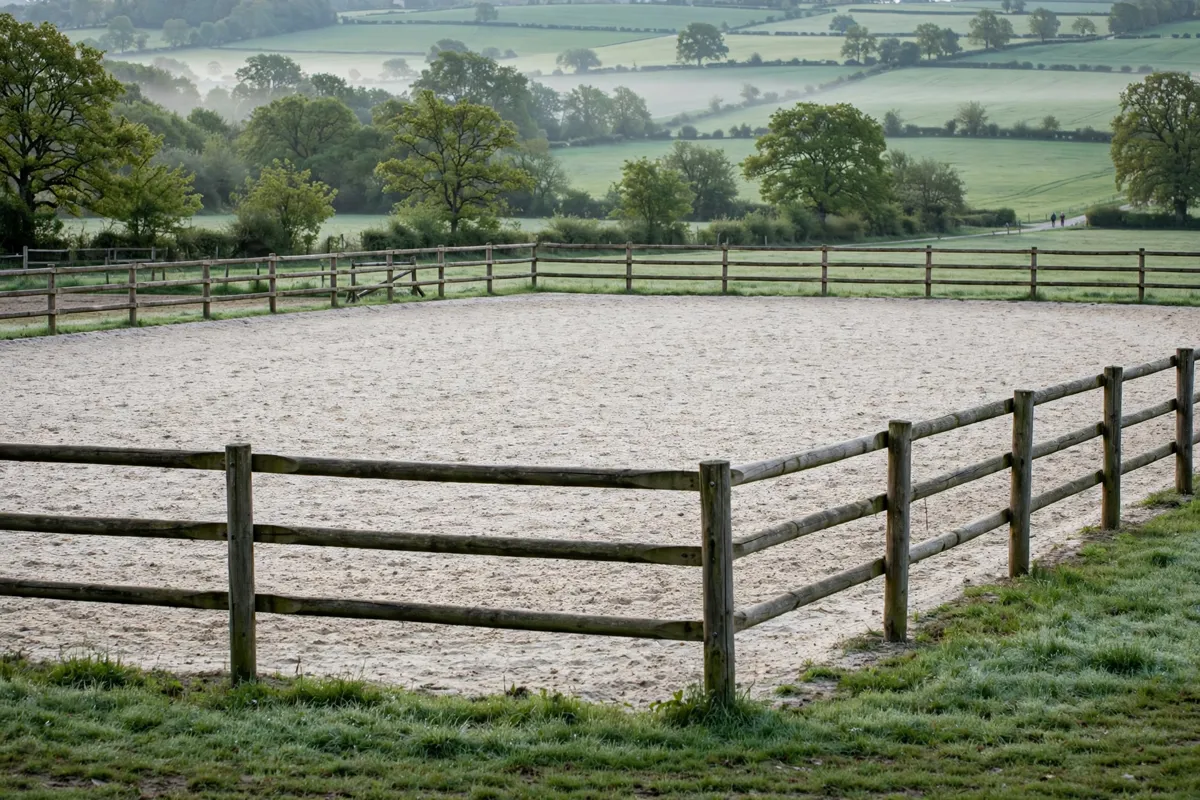
The Living Horse Museum and Equestrian Setting
The Great Stables are also home to the Château de Chantilly Equestrian Company, which presents equestrian creations throughout the year. Commented demonstrations are offered almost every day and last about 30 minutes. Their timing depends on the programme, so check what is scheduled for your visit.
Demonstrations are included with a 1-day ticket. Separate equestrian shows have limited capacity, and the venue recommends booking show tickets online. If a show is central to your plans, arrange that part before you travel rather than relying on availability at the door.
Tickets and Opening Information
- Ticket
- office closing
The timed 1-day ticket is listed at €21 for visitors over 25 and €17.50 for visitors aged 7–25; children under 7 enter free. It covers the château, park and gardens, and Great Stables, with equestrian activities depending on the programme. The ticket also includes exhibitions at the château and Jeu de Paume.
Tickets are sold online and on site, but you need to reserve a time slot for a 1-day ticket. The museum’s listed low-season hours are 12:00–17:00, and high-season hours are 10:00–18:00.
The season-change date can vary, and the last access is listed as one hour before ticket-office closing. Allow for the ticket’s wider estate access when planning your day; the venue recommends a full day for the château, park and Great Stables together.
Before you go, check the official site for current hours, closures, ticket details and the equestrian programme.
Finding the Museum in Chantilly
From Paris Gare du Nord, the SNCF main-line train to Chantilly-Gouvieux takes 25 minutes; RER D takes 45 minutes. From the station, you can walk to the château in about 20 minutes or take a bus for a journey of about 10 minutes. Free buses leave from platform A1, including the DUC and bus 645 toward Senlis.
If you’re arriving by car, paid parking is available at P1. The listed charge is €5 for cars and minibuses carrying up to nine people.
For the Great Stables entrance, follow Allée Decaux or the path alongside parking P2, and have a valid Great Stables or 1-day ticket. A drop-off point is available near the stables at parking P2B; the dome has 12 reserved seats for visitors with disabilities.
Combining the Visit with the Château
The 1-day ticket makes it possible to combine the Great Stables with the château, park and gardens, rather than treating the museum as a separate stop. You can also plan a closer look at the château using this guide to Château de Chantilly.
Check the day’s equestrian programme before settling on an order: demonstrations run at programme-dependent times, while a full estate visit is best planned as a day out.